Skip to product information
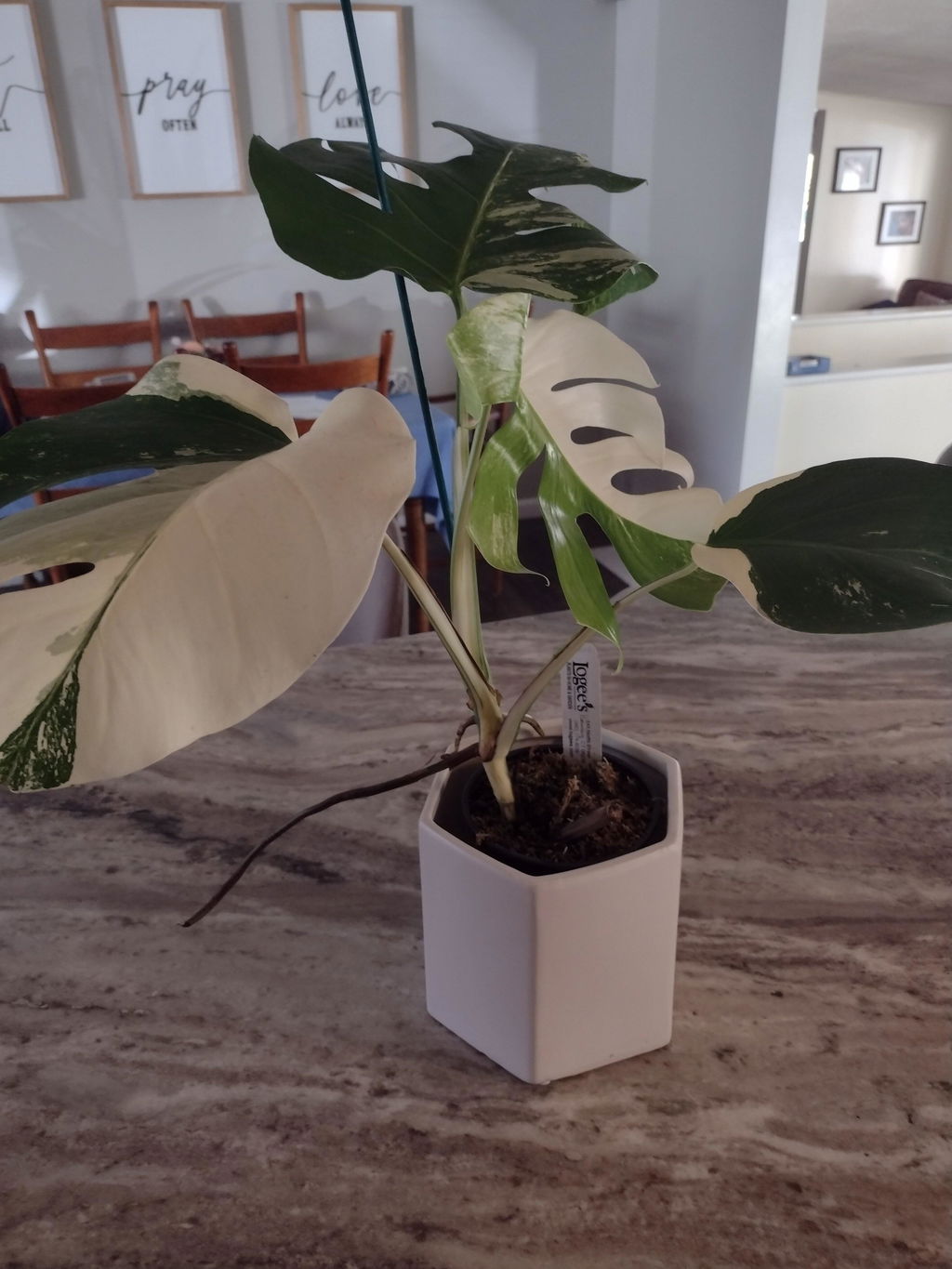
White Variegated Monstera - rare aroid for sale

White Variegated Monstera (Monstera ‘Borsigiana albo variegata’)

$125.00
SKU: R1919-5

5" Pot Size

31 available

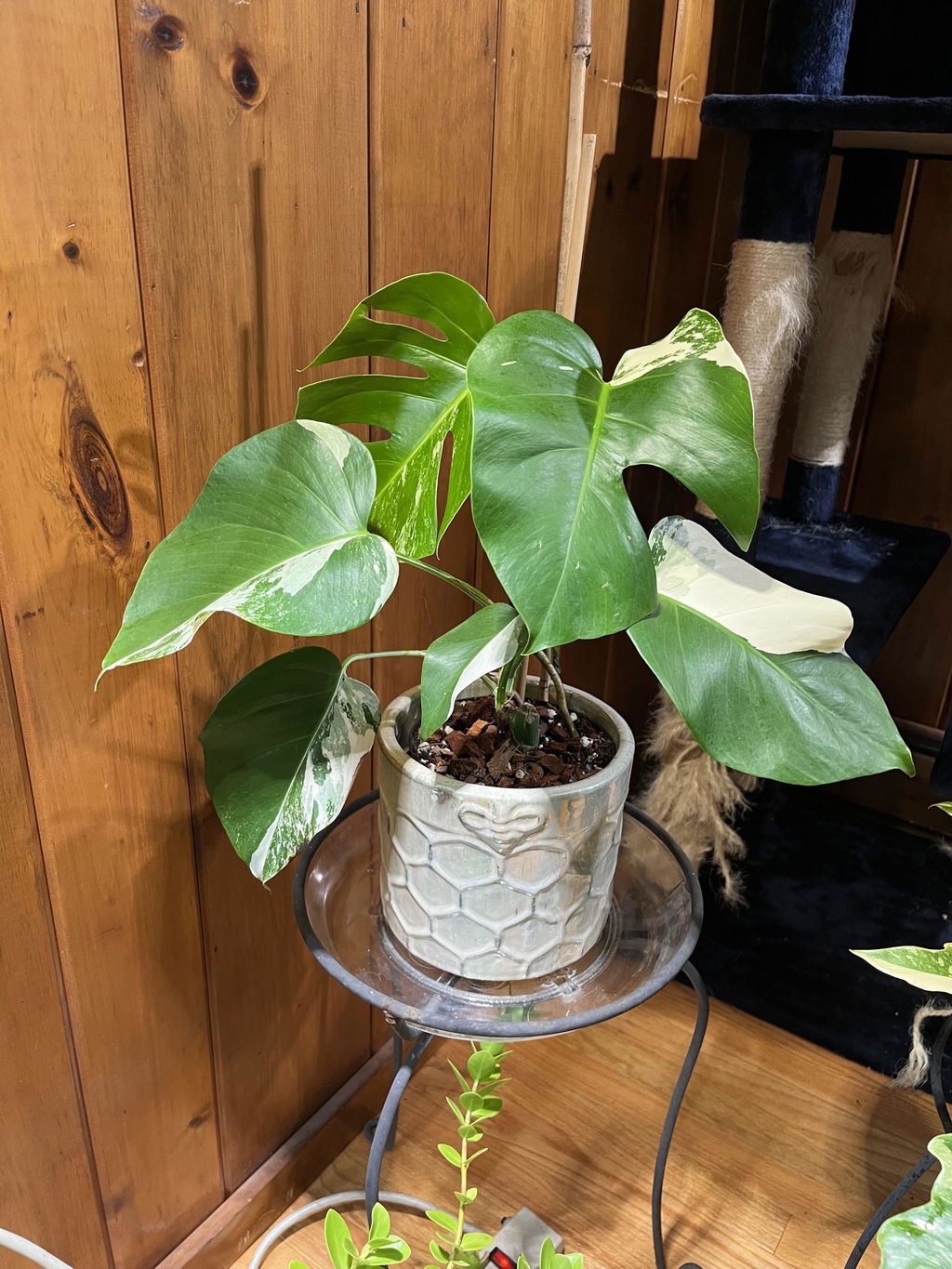
This beautiful and unusual rare monstera plant is currently in high demand. Like most other variegated rare plants, it is also a slow grower and takes us years to grow it into a nice plant in a 5” pot. This is not a cutting like you see offered in many places online. Each new leaf may emerge with a different appearance.

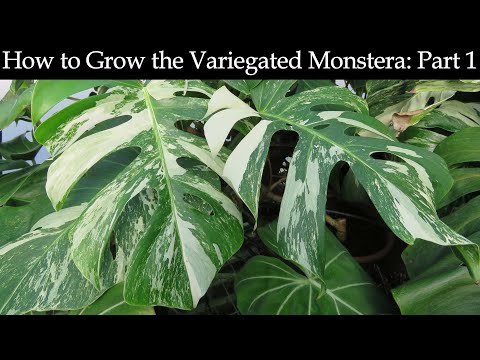
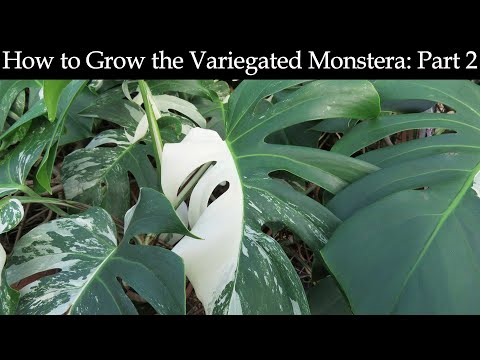
White Variegated Monstera has leaves 13-18” wide with large holes resembling Swiss cheese (some people call it Swiss Cheese Plant). Each leaf is unique with no two the same. The irregular cream-and-green variegation creates some leaves that are nearly fully white with green markings and other leaves are green with white marbling. Aerial roots anchor it to a trellis, moss pole or wall. In its native habitat, it’s an understory plant that climbs up tropical trees. Mature plants produce breadfruit, an 8-10” long cone, that takes a year to mature into an edible fruit.

Available in a 5" pot.

✅60-Day Guarantee - Rest Easy, your plant is protected!

Learn more about our guarantee.

🪴Ready to Grow - This is a healthy starter plant, full of life!

What you will receive.

📦Quality Plants Grown by Experts. Packaged with Care.

Ensure a healthy transition to your home.

Light Requirements
  • Partial Sun
  • Shade
Plant Height (mature height when grown in a container)
3-8'
Bloom Season
  • Intermittent
Minimum Indoor Temperature

40

Plant Hardiness Zone
  • 10
Plant Care

(mon-STER-uh)

Light: Partial sun to shade, an eastern, western, or northern exposure.

Temperature: Maintain indoor temperatures above 40°.

Humidity: Generally keep the relative humidity above 50% although they can tolerate lower levels without harm.

Watering: Allow the surface of the soil to become visually dry and then thoroughly saturate the potting mix until a little water runs out the bottom of the pot.

Fertilizer: Moderate to low level feeders. Under higher light they can be fed biweekly with a diluted soluble balanced fertilizer from spring to fall. Under lower light, once a month or less.

Pruning: They are climbers and can get to be very large plants. Hard pruning can be done to reposition the growing leads. Best to do this as they start active growth in the spring.

Insects and Disease: Few problems with insects. Constant wet soils and cool temperatures can bring on root disease.

Comments: These tropical climbers are easy to grow and can thrive under normal house conditions. They grow as both an understory plant tolerating low light and upper canopy plant taking on bright sunshine with ease. Their use as a low light plant for indoors is well known. Also in older plants there can be edible fruit production.

Recently Viewed