
Handwritten Greeting Card with your order - Meyer Lemon


Changshou Kumquat Tree (Fortunella obovata ‘Fukushu’) – Rare Fruiting, Compact Citrus
Why you’ll love Changshou Kumquat:
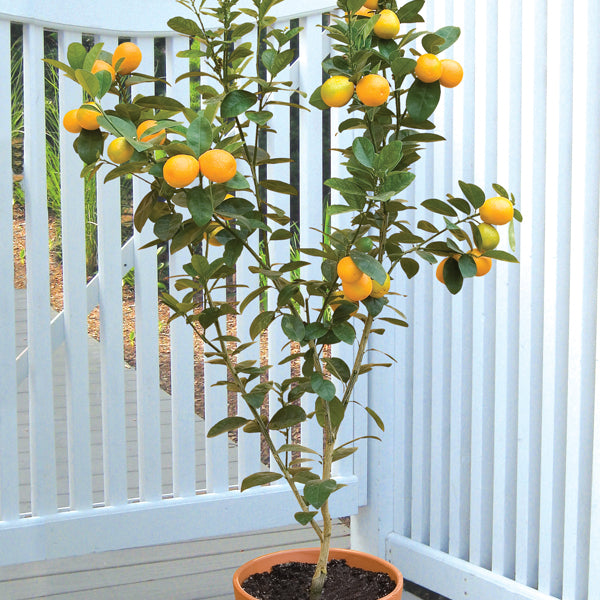
Picture a small, glossy green tree by a sunny window, dotted with bright orange fruits you can pick and eat fresh—peel and all. The Changshou Kumquat Tree is a rare fruiting plant known for its larger, pear-shaped kumquats with a sweet, thin rind and juicy interior.
This tropical houseplant is easy to grow indoors with enough light and rewards growers with fragrant blooms and fruit that can appear multiple times a year. It’s a great choice for beginners who want to try citrus, as well as collectors looking for a rare fruiting plant that stands out. The fruit has a balanced sweet-tart flavor and is perfect for snacking, marmalade, or garnishes.
Compared to common kumquat varieties like Nagami, Changshou Kumquat produces larger, sweeter fruit with a thinner peel, making it more enjoyable to eat whole. It also stays more compact, making it better suited for indoor growing and small spaces.
Difficulty: Beginner-friendly (with good light)
Pet Safety: Toxic to pets if ingested (like most citrus)
Perfect for:
Growing Environment
Changshou Kumquat thrives in bright, sunny locations and adapts well to indoor growing. Place the tree near a south- or west-facing window for best results, or move it outdoors to a sunny patio during warm months. Native to East Asia, this citrus grows in warm, humid environments with good airflow and well-draining soil. Mimicking these conditions - plenty of sun, moderate humidity, and consistent watering - helps the plant stay healthy and productive. Changshou Kumquat is excellent for indoor growing year-round in bright light. It can be grown outdoors in USDA Zones 9+ or seasonally in cooler climates
Care Guide
• Light: Full sun (6–8+ hours daily)
• Water: Moderate; let top 1–2 inches of soil dry between watering
• Humidity: Moderate (40–60% ideal)
• Temperature: 35–85°F (protect from frost)
• Hardiness Zone: 9–11
• Growth Habit: Evergreen, compact citrus tree
• Soil: Use a well-draining citrus potting mix, ideally with added perlite or sand to prevent soggy roots. A terracotta or plastic pot with drainage holes works well—never let the plant sit in standing water.
• Watering: Water deeply, then allow the top layer of soil to dry slightly before watering again. Overwatering is the most common mistake, especially indoors.
• Fertilizing: Feed with a balanced citrus fertilizer every 2–4 weeks during spring and summer. Reduce feeding in fall and winter when growth slows.
• Pruning: Prune lightly to maintain shape and encourage branching. This also improves airflow and light penetration.
• Blooming & Fruiting tips: To encourage flowering and fruiting, provide consistent bright light and avoid moving the plant too often. Most grafted trees begin producing within 1–2 years.
• Max height: About 3–5 feet in a container, making it manageable for indoor spaces.
• Seasonal care: In cooler months, growth may slow, but the plant remains evergreen. Keep it away from cold drafts and heating vents.
• Pests to watch for: Spider mites, scale, and aphids - inspect leaves regularly and treat early with insecticidal soap if needed.
• Common mistakes to avoid: Low light (leads to poor fruiting). Overwatering or poor drainage. Sudden temperature changes.
FAQ
Available in a 4" pot.
35
[title]
[message]Love it? Add to your wishlist
Your favorites, all in one place. Shop quickly and easily with the wishlist feature!
