Handwritten Greeting Card with your order - Meyer Lemon


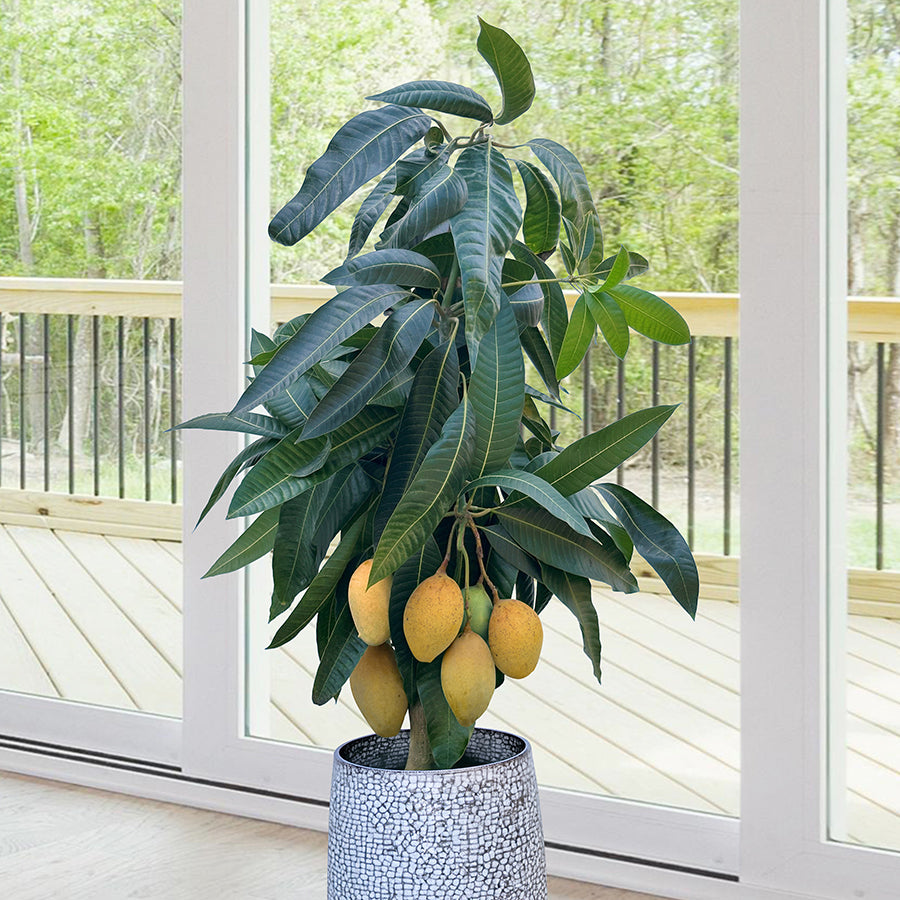
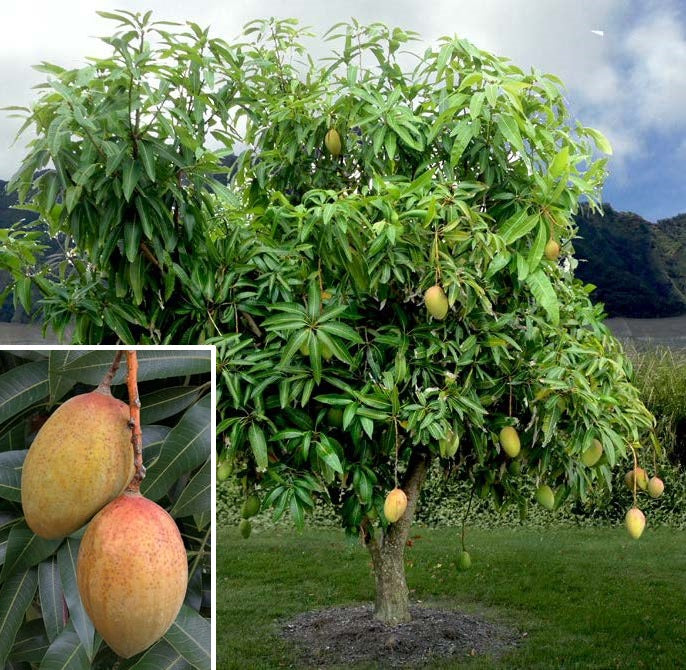
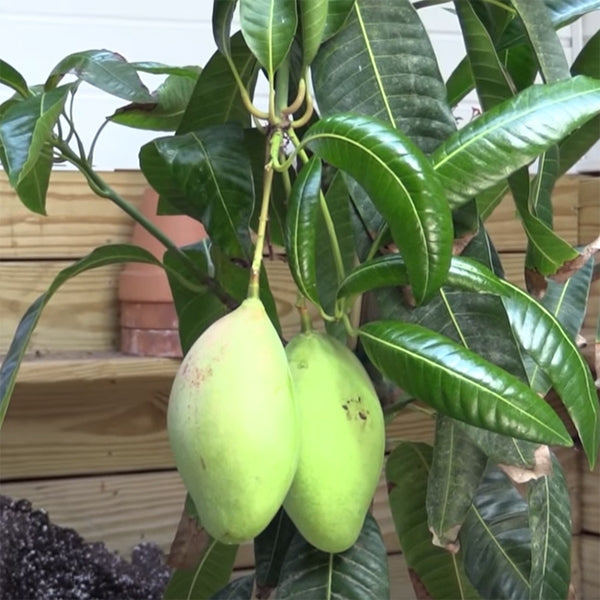
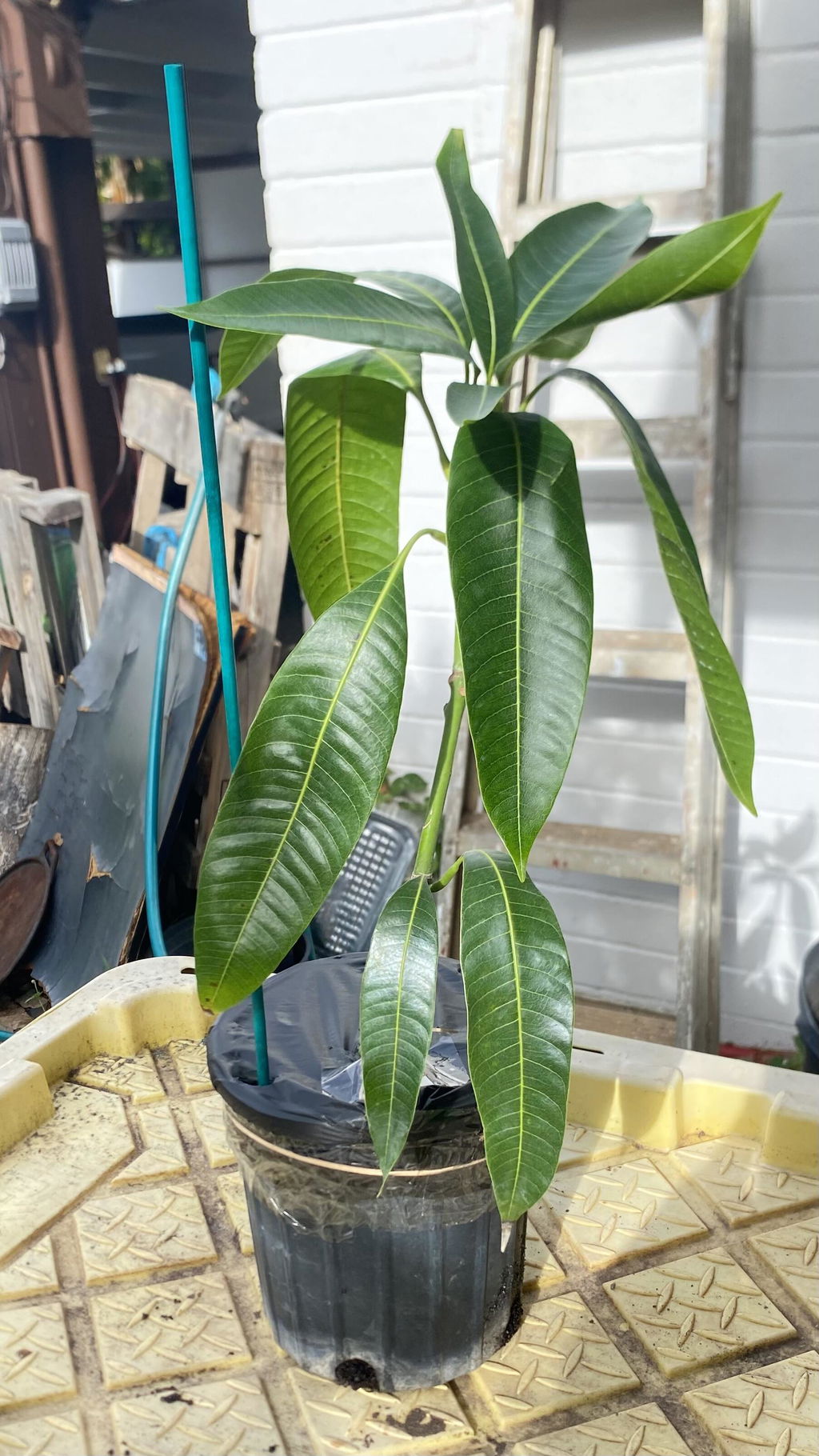
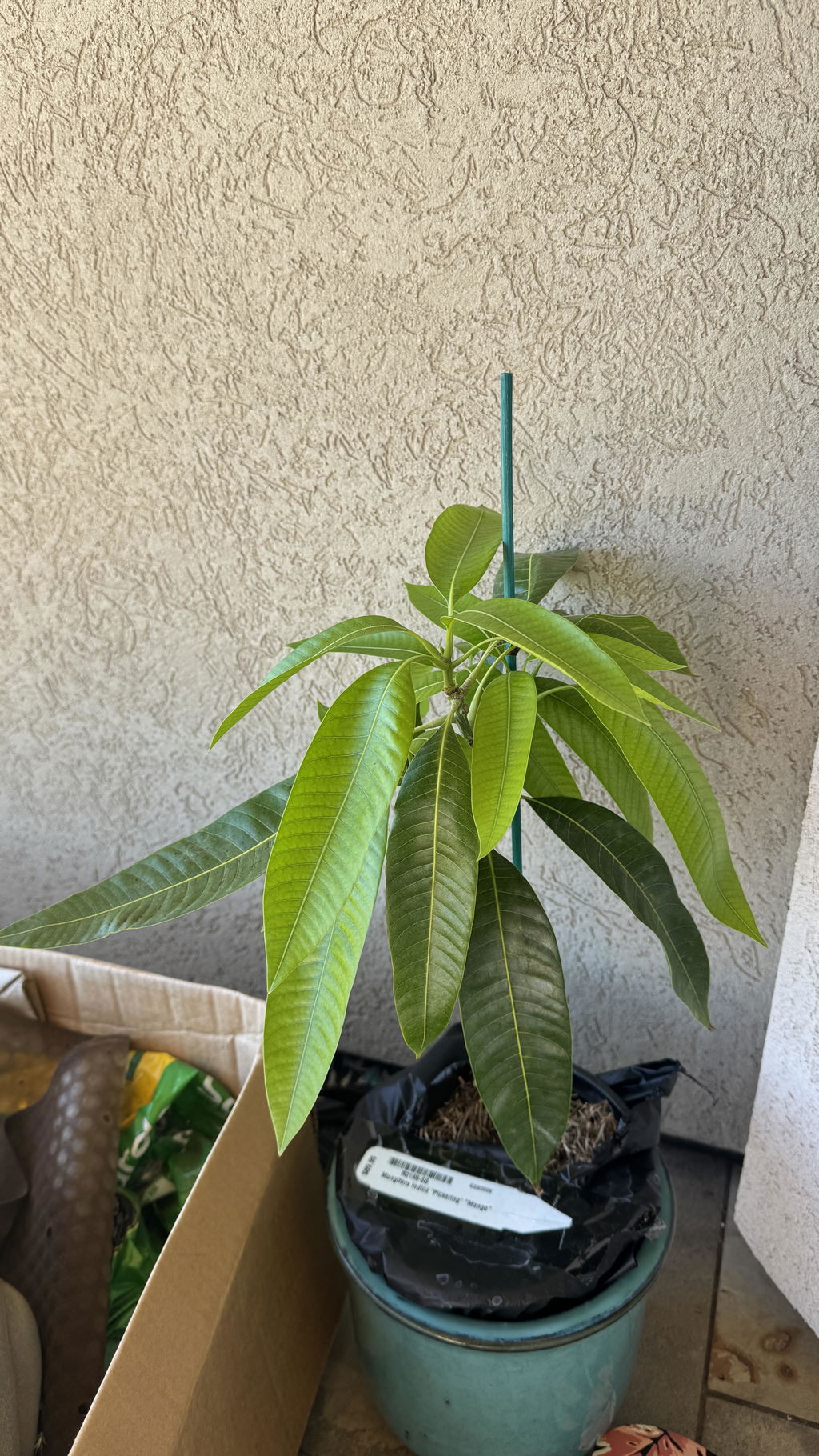
If you’re looking for the perfect mango to grow in a pot that will fruit at an early age, then ‘Pickering’ is the mango for you. It fruits easily in an 8” pot at just 4’ tall. ‘Pickering’ has a compact growth habit, is a strong grower and is not as susceptible to diseases like some other mango varieties we have grown. The fruit is flavorful and not as fibrous as some. Flowers appear late winter to spring and fruits follow in the summer. The trick to fruiting ‘Pickering’ is to give it a bit of a chill in the late fall or winter, which stimulates flowering. We also recommend allowing the plant to grow for a couple of years before fruiting, so it will develop a sturdy trunk and branches to hold the weight of the mangos in future years. This is a grafted plant that blooms and fruits sooner.
Available in a 6" pot.
Mango Tree Care
Growing your own mango indoors or in a container is a rewarding project, and it's easier than many people expect once you know what the tree wants.
Light
Mangoes want as much sun as you can give them. A south-facing window or the brightest spot you have is ideal. These are full-sun tropical trees, and low light will slow growth and fruiting.
Temperature
Mangoes are true tropical plants and dislike cold. If you're growing indoors through winter, try to keep the room above 60°F. Cooler temperatures not only slow the tree down but can make it more vulnerable to root problems (more on that below).
Humidity
Mango trees are happiest with moderate to high humidity, generally 50% or above. Don't worry if your home runs drier than that for short stretches; the tree can tolerate it, it just prefers not to live there long-term.
Watering
This is the step most people get wrong, in either direction. Let the soil dry out visibly between waterings, then water thoroughly until it runs from the drainage holes. Mango roots do not like sitting in constantly wet soil.
Fertilizer
Go easy here. Mango trees are sensitive to fertilizer, and over-feeding is a common cause of leaf browning. A light feeding on an infrequent schedule, rather than a regular heavy feeding routine, is the safer approach. When in doubt, feed less than you think you should. Mangoes are slow growing and usual put out two flushes of growth a year so they don't need much fertilizer. When they are actively growing, feed the plant with half-strength balanced fertilizer. Fish emulsion or organic granular or liquid fertilizer are best.
Pruning
Container mangoes need very little pruning, just enough to maintain a nice shape and manage height. One thing to know: flower buds form on the previous year's growth, so if you prune a branch, it will need to grow through a full cycle before it flowers again.
Pests and Disease
Mangoes are relatively trouble-free when it comes to insects. Their real vulnerability is root disease, which is almost always tied to overwatering or overfeeding, especially in cooler conditions. Good drainage (a clay pot helps) and disciplined watering are your best defense.
What to Expect
Mango trees can begin fruiting once they reach roughly 3 to 4 feet tall. In cooler climates they grow more slowly than in the tropics, so patience pays off. Give your tree bright light, warmth, and don't overdo the water or the food, and you'll be rewarded in time.
50
[title]
[message]Love it? Add to your wishlist
Your favorites, all in one place. Shop quickly and easily with the wishlist feature!
