

Written by Byron Martin, Logee's Owner and Horticulturist
Growing and Harvesting Bergamot Orange
Bergamot Orange (Citrus bergamia) is the fragrant secret behind Earl Grey tea's distinctive flavor. This Mediterranean treasure produces yellow-green fruit with an intensely aromatic rind that's been prized for centuries in tea blending, perfumery, and culinary arts. Growing bergamot at home lets you harvest fresh rind for authentic Earl Grey tea, essential oils, and gourmet cooking.
- Bergamot Oranges produce the signature flavoring for Earl Grey tea from its highly aromatic rind
- Thrives in containers, making it perfect for home growers in any climate
- Features fragrant white flowers and glossy evergreen foliage year-round
- Grafted plants bloom and fruit sooner than seed-grown varieties
- Fruit has a tangy, lemon-like flavor in addition to its prized rind
Native to Calabria, Italy, Bergamot is a small citrus tree that typically grows 10-15 feet tall but can be maintained at 3-5 feet tall when grown in a container. Its glossy leaves and delicate white blooms make it an elegant addition to any indoor garden or sunny patio. The real magic happens when you harvest the yellow fruit and zest the rind—the essential oils released are the same ones that give Earl Grey tea its unmistakable bergamot flavor.
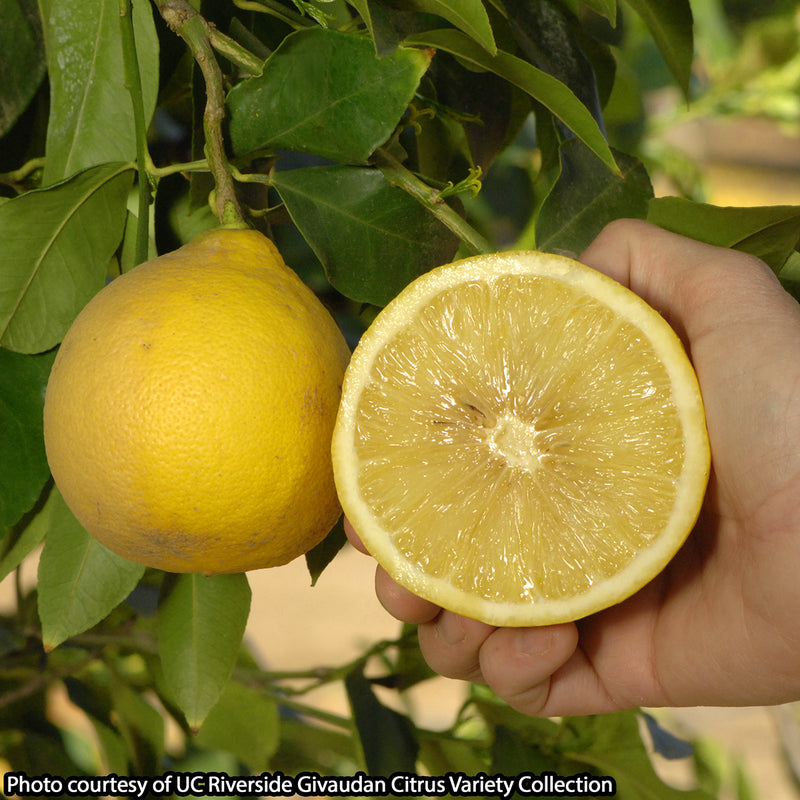
Question: Can I really grow the same bergamot used in Earl Grey tea at home?
Answer: Yes. The Bergamot Orange (Citrus bergamia), available as a grafted plant from Logee's, produces the authentic bergamot rind used to flavor Earl Grey tea. This variety is the same one grown commercially in the Mediterranean region.
Question: How long until my bergamot tree produces fruit?
Answer: Grafted bergamot trees from Logee's bloom and fruit sooner than seed-grown plants, often producing fruit within 1-3 years when given proper care and growing conditions.
Question: Do I need a greenhouse to grow bergamot?
Answer: No. Bergamot citrus thrives in containers and can be grown indoors near a sunny window or outdoors in warm weather. It grows successfully as a container plant in any climate when protected from freezing temperatures.
Why Bergamot Citrus Is Special for Tea Lovers
Bergamot Oranges hold a unique place in the world of citrus because they're grown primarily for their rind rather than their juice. The fruit's thin yellow skin contains oil glands packed with aromatic compounds that give Earl Grey tea its signature flavor. When you grow bergamot at home, you can zest fresh rind directly into black tea, creating an authentic Earl Grey experience that far surpasses anything from a tea bag.
Beyond tea, bergamot rind is used in perfumes, cosmetics, and gourmet cooking. The fruit itself has a tart, lemon-like flavor that works well in marmalades and citrus dishes. As part of Logee's collection of tea and beverage plants, bergamot stands out as both beautiful and functional—a conversation piece that delivers real culinary rewards.
Light Requirements for Bergamot Success
Bergamot citrus needs bright, direct sunlight to thrive and produce fruit. Aim for 6-8 hours of full sun daily. Outdoors, choose a location that receives morning and afternoon sun but has some protection from intense midday heat in extremely hot climates. Indoors, place bergamot near a south-facing window where it can soak up maximum light.
If natural light is limited, supplement with grow lights positioned 12-18 inches above the canopy. Insufficient light leads to leggy growth, fewer flowers, and reduced fruiting. Watch for signs your bergamot needs more sun: pale leaves, sparse foliage, or dropping flower buds all indicate the tree isn't getting enough brightness.
How to Water Your Bergamot Tree
- Water deeply when the of the soil feel dry to the touch and appears visually dry
- Never let bergamot sit in waterlogged soil—drainage is critical
- Reduce watering frequency slightly in winter when growth slows
- Check soil regularly by touching the top of the soil and examining if the soil looks dry. If that's the case, it's time to water thoroughly.
How to Choose the Best Soil and Container for Bergamot
Bergamot thrives in well-draining, slightly acidic to neutral soil with a pH of 5.5-7.0. Use a high-quality soilless potting mix that contains peat moss and perlite. The key is ensuring excess water drains quickly while the mix retains enough moisture to keep roots hydrated.
Clay terracotta pots with drainage holes work exceptionally well because they allow air circulation to the roots. Only pot up two sizes from the original pot. For example, Logee's Bergamot's are in 4 inch pots, so potting into a 6 inch pot would be best. For a young bergamot tree, repot every 2-3 years as the plant grows, moving up 2 inches in container size. Similar to other container-grown citrus, bergamot appreciates being slightly root-bound, which encourages flowering and fruiting, so after repotting a couple times, it can remain in a 10 or 12 inch pot for the rest of its life.

Bergamot Temperature and Humidity Preferences
- Ideal temperature range: 60-85°F
- Protect from temperatures below 50°F
- Bring containers indoors before first frost
- Maintain moderate humidity levels of 40-60%
- Avoid placing near heating vents or drafty windows
Bergamot is a warm-climate citrus that tolerates brief cool periods but suffers damage from freezing temperatures. In USDA zones 9-11, bergamot can remain outdoors year-round. In colder climates, treat it as a container plant that can go outside in the summer but needs to stay indoors in the winter in a room with full sun.
How to Fertilize Bergamot for Maximum Fruit Production
Feed bergamot regularly during the growing season with a balanced citrus fertilizer, like this 5-4-5. Apply fertilizer every 6-8 weeks from spring through early fall when the tree is actively growing and producing fruit. Look for formulas specifically designed for citrus that include micronutrients like iron, zinc, and manganese.
Reduce or stop fertilizing in late fall and winter when growth naturally slows. Overfertilizing causes salt buildup in containers and can burn roots. If leaves turn yellow between the veins (chlorosis), your bergamot may need iron supplementation. Slow-release granular fertilizers work well for busy gardeners, while liquid fertilizers offer more control over feeding frequency.
How to Prune and Shape a Bergamot Orange Tree
- Prune in late winter or early spring before new growth begins
- Shape the tree to maintain a manageable size for containers
- Pinch new growth to encourage bushier branching
- Remove suckers growing below the graft union
Light, regular pruning keeps bergamot healthy and productive. Don't be afraid to trim your tree—citrus responds well to pruning and often fruits more heavily after being shaped. Use clean, sharp pruning shears and make cuts just above leaf nodes at a slight angle. Removing the suckers below the graft is essential for keeping your citrus alive.

Common Bergamot Problems and Solutions
Spider mites, scale insects, and aphids occasionally target bergamot citrus. Inspect leaves regularly, especially the undersides, for tiny pests or sticky residue. Treat infestations early with insecticidal soap or neem oil spray, repeating applications as directed. Yellow leaves often signal overwatering, poor drainage, or nutrient deficiency. Check that your container drains well and adjust your fertilizing schedule if needed.
Bud drop happens when bergamot experiences stress from temperature changes, inconsistent watering, or insufficient light. Maintain stable growing conditions and avoid moving the plant frequently once buds form. Fruit drop is normal to some degree—citrus trees naturally shed excess fruit to conserve energy. If excessive fruit drop occurs, evaluate watering consistency and ensure the tree isn't rootbound.
How to Harvest Bergamot for Earl Grey Tea
- Bergamot Orange fruit ripens to a yellow-green color, typically in fall and winter
- Harvest when fruit is fragrant and slightly soft to gentle pressure
- Use a sharp knife or pruning shears to cut fruit from the tree
- Wash fruit thoroughly before zesting the rind
- Remove only the colored outer rind, avoiding bitter white pith
- Dry zest on parchment paper or use fresh in tea blends
To make Earl Grey tea, infuse dried bergamot zest with loose black tea leaves for several days in an airtight container. The tea absorbs the aromatic oils from the rind. For immediate use, add fresh bergamot zest directly to hot black tea and steep for 3-5 minutes. The intensity of bergamot flavor depends on how much zest you use—start with a small amount and adjust to taste.

Why Bergamot Is Perfect for Home Growers
The Bergamot Orange Tree offers home growers a rare opportunity to cultivate a commercial crop that's difficult to find fresh in stores. The grafted bergamot from Logee's removes the guesswork—you're getting an authentic variety that will bloom and fruit reliably with basic citrus care. Container growing makes bergamot accessible to gardeners in any climate, not just those in Mediterranean zones.
Beyond its practical uses, bergamot is simply beautiful. The glossy evergreen foliage stays attractive year-round, and the fragrant white flowers fill rooms with sweet citrus perfume. Watching your own bergamot fruit develop from flower to harvest connects you directly to the tea in your cup. Whether you're a dedicated Earl Grey enthusiast or simply love growing unique edibles, bergamot delivers rewards that few other plants can match. For more growing inspiration, explore other bergamot cultivation techniques and citrus growing resources to deepen your knowledge.

