

How to Grow, Harvest, and Make Jamaican Hibiscus Tea from Roselle
Roselle Jamaican Hibiscus (Hibiscus sabdariffa) is a stunning tropical plant that produces the bright red calyces used to brew refreshing, vitamin-rich hibiscus tea. This easy-to-grow annual thrives in summer gardens and containers, rewarding you with beautiful flowers and a generous harvest of tangy, cranberry-flavored pods perfect for tea, jellies, and culinary creations. These miraculous pods house the seeds of the plant with a flavorful covering over the pod called the sepals.
- Easy to grow: Thrives as an summer patio plant in northern zones or a garden perennial in zones 10-11
- Nutritious harvest: Rich in vitamin C and anthocyanins for a healthy beverage alternative
- Multipurpose plant: Edible flowers, calyces, and leaves for teas, jellies, and salads
- Bushy and beautiful: Grows 3-4 feet tall with decorative red calyces and tropical blooms. Keep bushy and full with early pruning.
- Container-friendly: Grows well in large pots or directly in garden beds
Growing your own hibiscus tea plant means you can enjoy fresh, homemade beverages without added sugars or preservatives. This guide will walk you through everything you need to know to successfully grow, harvest, and brew delicious hibiscus tea at home.
Question: Is Roselle hibiscus hard to grow?
Answer: Roselle hibiscus is one of the easiest tropical plants to grow. It thrives in warm weather with full sun, minimal pest problems, and produces abundant harvests with basic care.
Question: How long does it take to harvest hibiscus calyces?
Answer: Roselle calyces are ready to harvest approximately 2 weeks after their flowers drop. Young seedlings only a couple months old will flower. The more mature the plant, the more bountiful the harvest.
Question: Can I grow Roselle hibiscus in a container?
Answer: Yes, Roselle hibiscus grows excellently in containers. Make sure to increase the size of the pot frequently so support its rapid summer growth. Use well-draining soil and place the container in full sun for best results.
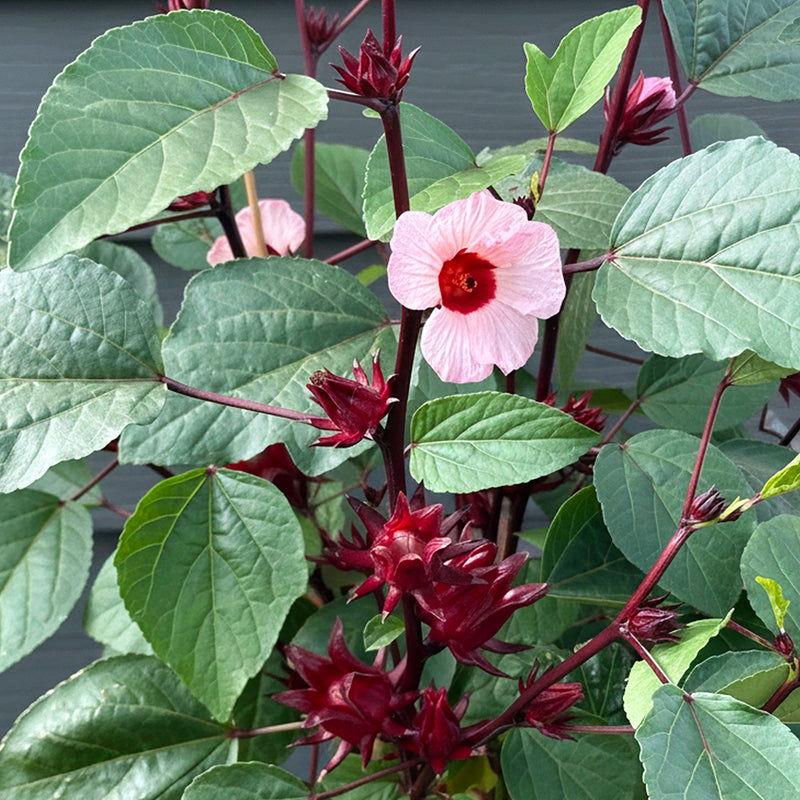
What Makes Roselle Jamaican Hibiscus Special
Roselle Jamaican Hibiscus (Hibiscus sabdariffa) is a remarkable tropical plant closely related to okra, originating from Africa and widely cultivated throughout Asia, the Caribbean, and tropical regions worldwide. Often called Jamaican sorrel, Florida cranberry, or rosella, this plant has been valued for centuries for both its medicinal properties and its distinctive tart flavor. The bright red calyces that form after the flowers fade are packed with vitamin C, anthocyanins, and antioxidants, making hibiscus tea not just delicious but genuinely healthy. In Haiti, it's celebrated as the national flower, while traditional medical systems across multiple continents have used it to support circulation, ease inflammation, and provide essential nutrients.
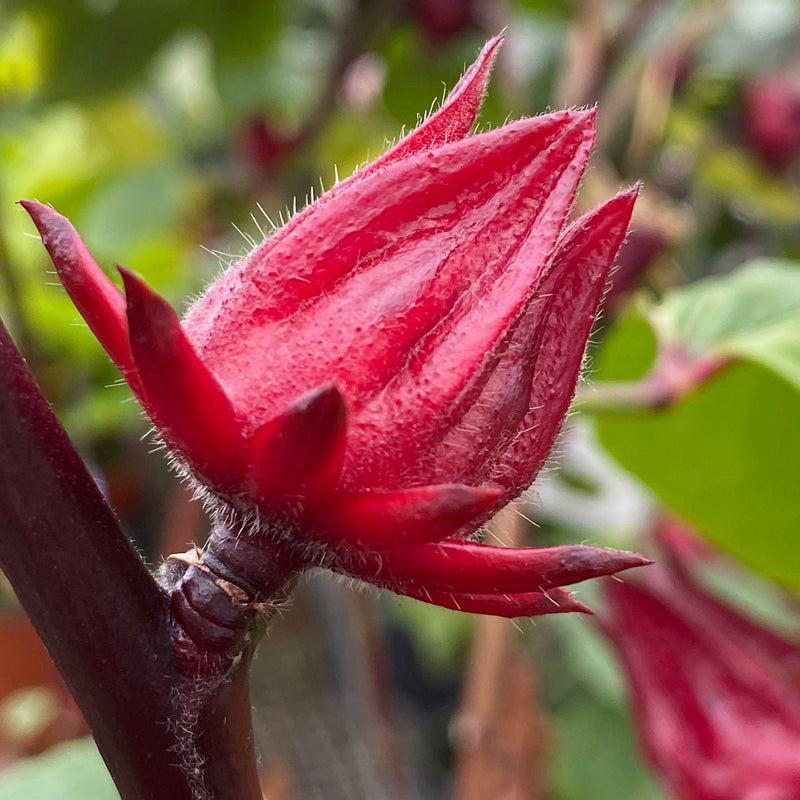
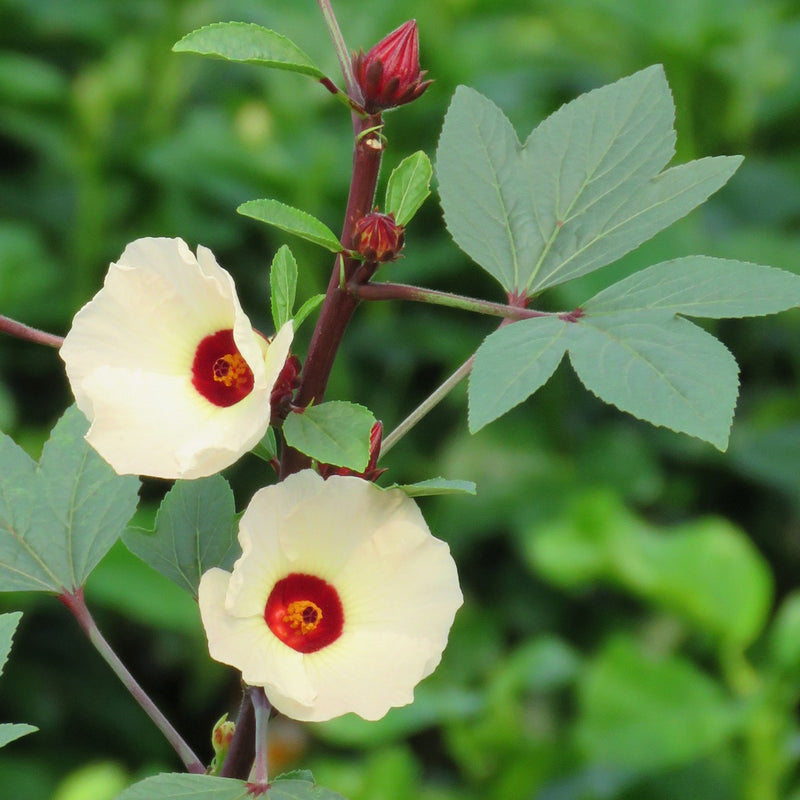
What truly sets Roselle apart is its versatility. Unlike ornamental hibiscus varieties, every part of this plant serves a purpose. The pink, cream-colored flowers with burgundy centers bloom for one day before dropping, leaving behind the fleshy red calyx that becomes the star of your teacup. Young leaves offer a lemony, slightly tart flavor perfect for fresh salads, while the mature calyces can be used fresh, dried, or frozen for year-round enjoyment. Growing Roselle transforms your garden into a productive tropical paradise where beauty and function meet in perfect harmony.
Light Requirements for Roselle Hibiscus
Roselle Jamaican Hibiscus thrives in full sun and needs at least 6-8 hours of direct sunlight daily for optimal growth and abundant calyx production. As a tropical plant, Hibiscus sabdariffa loves bright, intense light that fuels both its vigorous growth and prolific flowering. Whether you're planting yours in the ground in a southern climate or growing in a container for the summer in a northern climate, choose the sunniest spot in your garden, ideally a south-facing location that receives unobstructed sunlight throughout the day. The more sun your Roselle receives, the more flowers it will produce, and more flowers mean more of those prized red calyces for your tea harvest.
- Full sun exposure (6-8+ hours daily) produces the best results
- In extremely hot climates (above 95°F consistently), some afternoon shade is welcome
- Insufficient light leads to leggy growth and reduced calyx production
- Southern or western exposures work best in most regions
Watering Needs for Healthy Growth
- Keep soil consistently moist but never waterlogged or soggy
- Water deeply 2-3 times per week during hot, dry weather
- Reduce watering frequency during cooler periods or rainy spells
- If planted in the ground, mulch around the base to retain moisture and regulate soil temperature
- Ensure excellent drainage to prevent root rot, which can quickly kill the plant
- Morning watering is ideal to allow foliage to dry before nightfall
Roselle Jamaican Hibiscus appreciates consistent moisture, especially during its active growing season. The plant particularly thrives when humidity rises, such as during monsoon seasons or summer thunderstorms. However, waterlogged conditions are its enemy. If growing in containers, ensure pots have adequate drainage holes and never allow the plant to sit in standing water.

Soil and Planting Guidelines
The foundation of successful Roselle cultivation begins with proper soil preparation. Hibiscus sabdariffa prefers well-draining, fertile soil rich in organic matter with a slightly acidic to neutral pH (6.0-7.0). Especially if planting in the ground, the key is creating soil that holds moisture without becoming compacted or waterlogged. Heavy clay soils should be amended with sand and organic matter to improve drainage, while sandy soils benefit from additional compost to improve water retention and nutrient availability.
For garden planting, follow these guidelines:
- Mix 2-3 inches of compost into the planting area before transplanting
- Space plants 3-6 feet apart, as mature specimens spread 3-4 feet wide
- Plant depth should match the original root ball level
For container planting, follow these guidelines:
- Use a high-quality potting mix with added perlite or vermiculite
- Choose containers at least 5 gallons (preferably larger) for adequate root space. Make sure to pot up gradually.
Temperature and Humidity Preferences
As a true tropical plant, Roselle Jamaican Hibiscus thrives in warm temperatures and cannot tolerate frost. The plant grows best when daytime temperatures range between 75°F and 95°F, with nighttime temperatures staying above 60°F. In USDA zones 10-11, Roselle can survive as a perennial, but gardeners in cooler zones should treat it as a warm-season annual or winter houseplant and summer patio plant. Plant or place outdoors only after all danger of frost has passed and soil temperatures have warmed to at least 65°F. The plant particularly loves the combination of heat and humidity, showing explosive growth during humid summer conditions.
- Minimum temperature tolerance: 60°F (growth slows below this)
- Ideal growing range: 75°F-95°F
- Frost will kill the plant immediately
- High humidity (50-70%) promotes vigorous growth and flowering
Fertilizing and Feeding Schedule
- Apply a balanced fertilizer (10-10-10 or 7-9-5) at planting time
- Feed every 3-4 weeks during active growth with balanced organic fertilizer
- Avoid high-nitrogen fertilizers, which produce excessive foliage and fewer flowers
- Side-dress with compost mid-season for sustained nutrition
- Reduce feeding frequency as flowering begins to prevent vegetative overgrowth
- Container plants need more frequent feeding due to nutrient leaching
The key to successful Roselle fertilization is balance. While the plant needs nutrients to support its impressive size and flowering, too much nitrogen creates lush, leafy growth at the expense of the calyces you're growing for tea. A moderate, balanced approach produces the best results.
Pruning and Maintenance Tips
Roselle Jamaican Hibiscus requires minimal pruning but benefits from occasional maintenance to keep plants bushy and productive. Early in the growing season, pinch back the growing tips when plants reach 12-18 inches tall to encourage branching and create a fuller, bushier shape. This one-time pinching can significantly increase your harvest by promoting multiple flowering branches. Beyond this initial pinching, let the plant grow naturally. Remove any damaged, diseased, or dead foliage as needed to maintain plant health and appearance.
- Pinch growing tips once when plants are 12-18 inches tall for bushier growth
- Remove spent flowers promptly if you want continuous blooming (though calyces form after flowers drop)
- Support tall plants with sturdy stakes driven 12 inches into the ground
- Keep the planting area weed-free, especially when plants are young
- Apply 2-3 inches of organic mulch to suppress weeds and retain moisture if planted in the ground
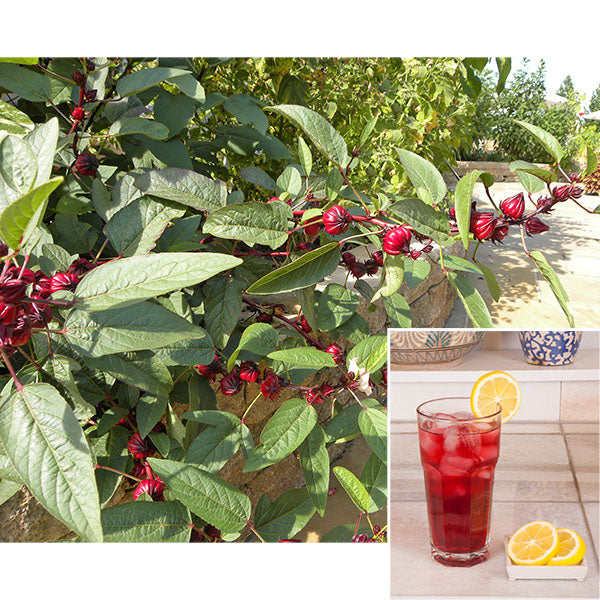
When and How to Harvest Calyces
- Harvest calyces when they're plump, deep red, and 1-2 inches in size
- Wait 10-14 days after flowers drop for calyces to fully develop
- Pick calyces before they become tough and woody (usually within 2-3 weeks of flower drop)
- Twist or cut calyces from the stem, leaving the seed pod inside if desired
- Harvest regularly throughout the season to encourage continued production
- Expect 1-2 pounds of fresh calyces per plant in a good season
Each Roselle plant can produce dozens of calyces throughout the flowering season, providing generous harvests for tea-making. The calyces reach peak flavor and tenderness when they're still somewhat soft and before the seed pod inside becomes fully mature and hard. Regular harvesting signals the plant to keep producing more flowers and calyces.
 Source: Wikipedia
Making Hibiscus Tea from Your Harvest
Transforming your fresh Roselle calyces into delicious hibiscus tea, or Agua de Jamaica, is wonderfully simple. For fresh tea, use 4-6 calyces per cup of boiling water. Pour boiling water over the calyces and steep for 5-10 minutes, depending on how strong you prefer your tea. The liquid will turn a gorgeous deep red color and develop a tart, cranberry-like flavor. Sweeten with honey or sugar if desired, and serve hot or pour over ice for a refreshing cold beverage. The flavor is naturally tart and slightly fruity, reminiscent of cranberries with floral notes.
 Source: Wikipedia
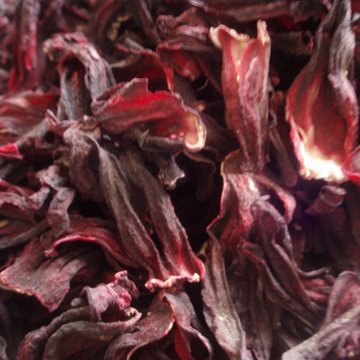
To preserve your harvest, you can dry the calyces for year-round tea enjoyment. Remove the seed pod from inside each calyx, then spread calyces in a single layer on drying racks or baking sheets in a warm, well-ventilated area. Alternatively, use a food dehydrator set to 95-115°F. Once completely dry and crispy, store in airtight containers away from light and moisture. Dried calyces will maintain their flavor and color for up to one year. You can also freeze fresh calyces in freezer bags for up to six months, making it easy to enjoy your homegrown tea long after the growing season ends.
 Source: Wikipedia
Common Problems and Troubleshooting
- Yellowing leaves: Usually indicates overwatering or poor drainage. Allow soil to dry slightly between waterings and improve drainage.
- Leggy growth with few flowers: Insufficient sunlight. Move to a sunnier location or wait for natural flowering trigger in late summer.
- Wilting despite moist soil: May indicate root rot from poor drainage. Check roots for mushiness and improve soil drainage immediately.
- Pest issues: Roselle has few serious pests but may attract aphids or whiteflies. Spray with insecticidal soap or neem oil as needed.
- No calyces forming: Either insufficient sun or not enough time for the short-day flowering trigger. Be patient or start earlier next season.
- Brown, crispy leaf edges: Under-watering or low humidity. Increase watering frequency and consider mulching.
Why Roselle Is Perfect for Home Growers
Roselle Jamaican Hibiscus stands out as an ideal plant for home gardeners seeking both beauty and productivity. Unlike many edible plants that require intensive care or specialized knowledge, Roselle practically grows itself once established in the right conditions. The plant's pest resistance, drought tolerance once established, and minimal maintenance requirements make it perfect for busy gardeners or those new to growing tropical plants. There's something deeply satisfying about harvesting your own tea ingredients, knowing exactly what went into growing them and enjoying the superior flavor of fresh, homegrown calyces compared to commercial tea bags.
Beyond the practical benefits, Roselle brings tropical beauty to any garden or patio. The lush foliage, cream and burgundy flowers, and decorative red calyces create visual interest throughout the season. Whether grown in containers on a sunny deck or planted directly in garden beds, Roselle makes a statement. The plant is also pet-safe, adding peace of mind for households with curious dogs or cats. For gardeners seeking productive, beautiful, and easy-to-grow plants, Roselle Jamaican Hibiscus delivers on all fronts, rewarding minimal effort with generous harvests and stunning summer beauty.
Watch our YouTube video about growing Hibiscus
Watch and Learn
LogeesPlants

