(FY-kus)
Light: Full or partial sun, a southern, eastern or western exposure. Some species can even tolerate shade.
Temperature: Maintain indoor temperatures above 30° for edible figs, 45° for foliage types and 60° for Ficus aspera.
Humidity: They will tolerate low levels with no harm.
Watering: Bring soil to a state of visual dryness between watering. When watering, thoroughly saturate the soil until some water runs out of the bottom of the pot. During the winter, when dormant, Ficus carica can be grown drier. Ficus aspera has root disease problems under cool temperatures and constant soil moisture. Ficus pumila and its cultivars need even moisture.
Fertilizer: They are moderate feeders so ½ tsp of fertilizer per gallon of water once a week when in active growth. Use a balanced fertilizer like a 15-15-15 or a blooming fertilizer like Dyna-Gro 7-9-5. In fall and winter, discontinue feeding.
Pruning: For Ficus carica, prune in the spring or just before they start to grow again after their winter rest. They can take a hard pruning which doesn’t disrupt the fruiting. Other varieties, prune as needed.
Insects and Disease: Ficus carica and Ficus aspera have problems with spider mite, especially under dry conditions. Root disease can affect both Ficus aspera and Ficus pumila and its cultivars.
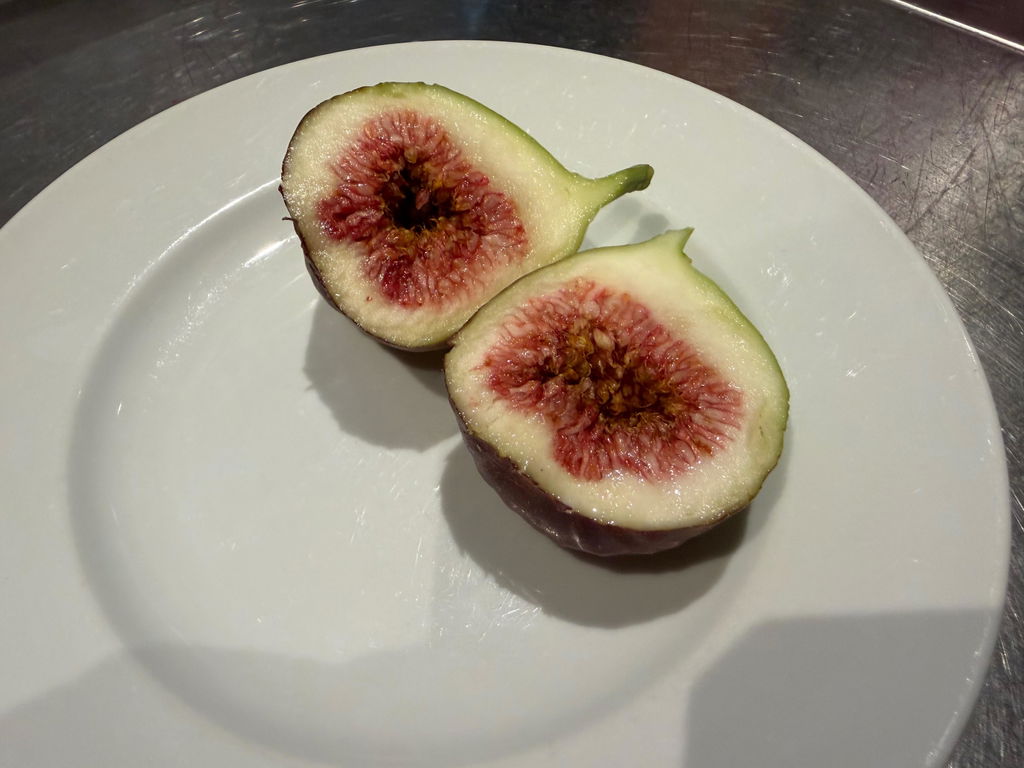
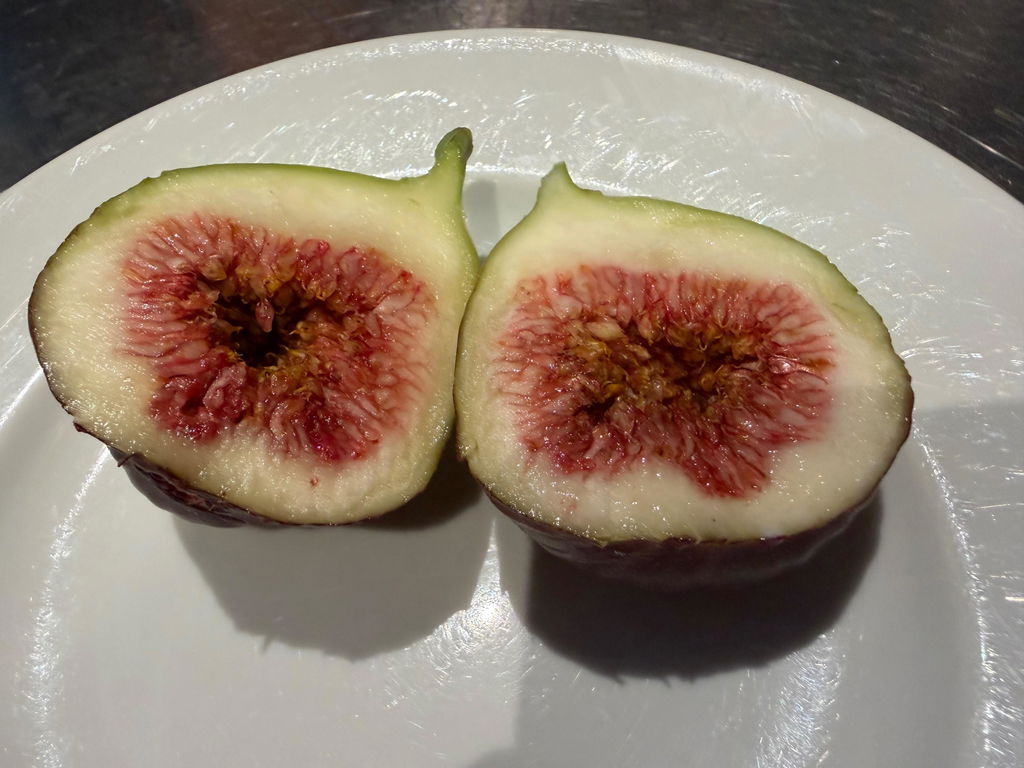
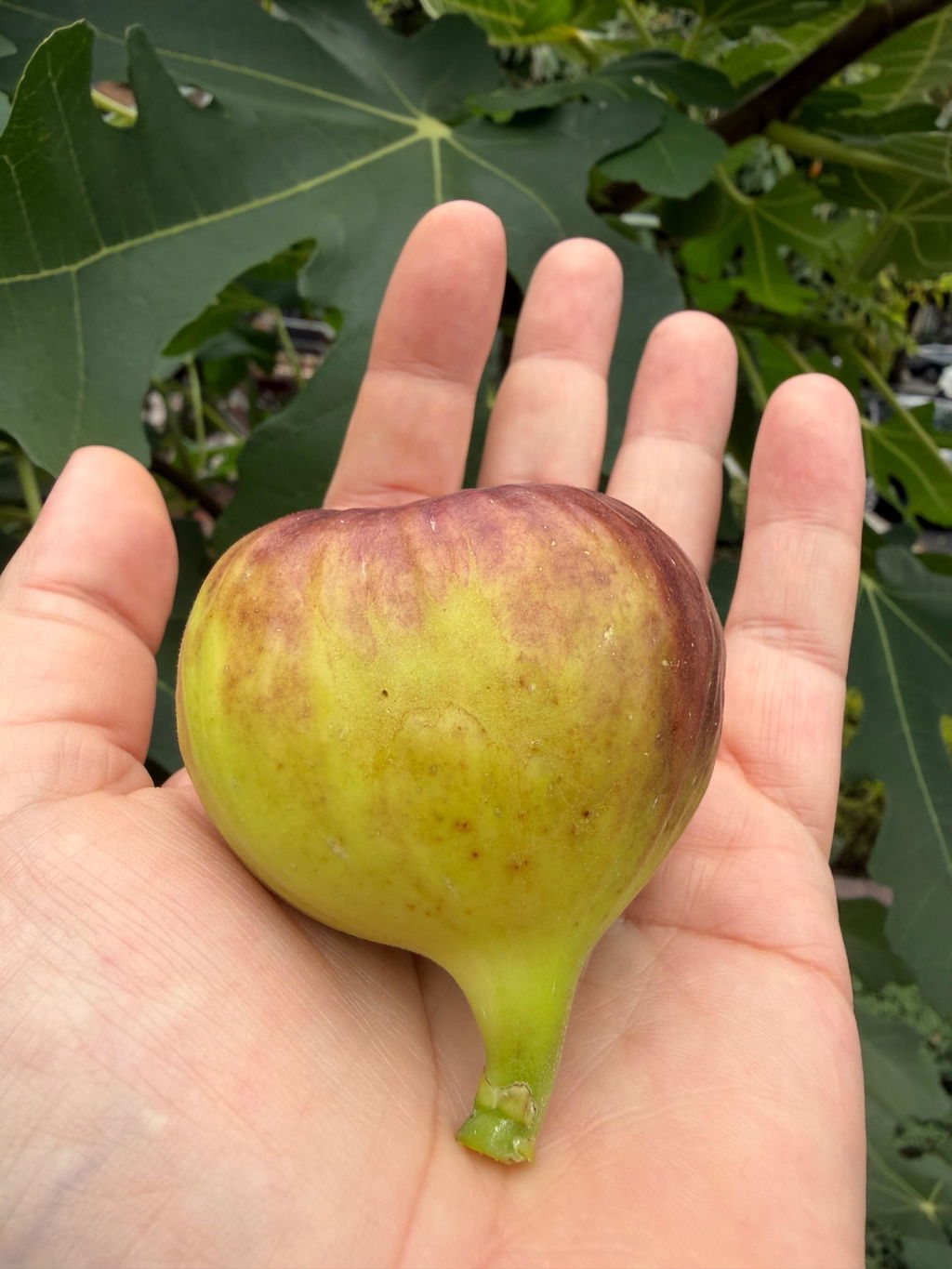
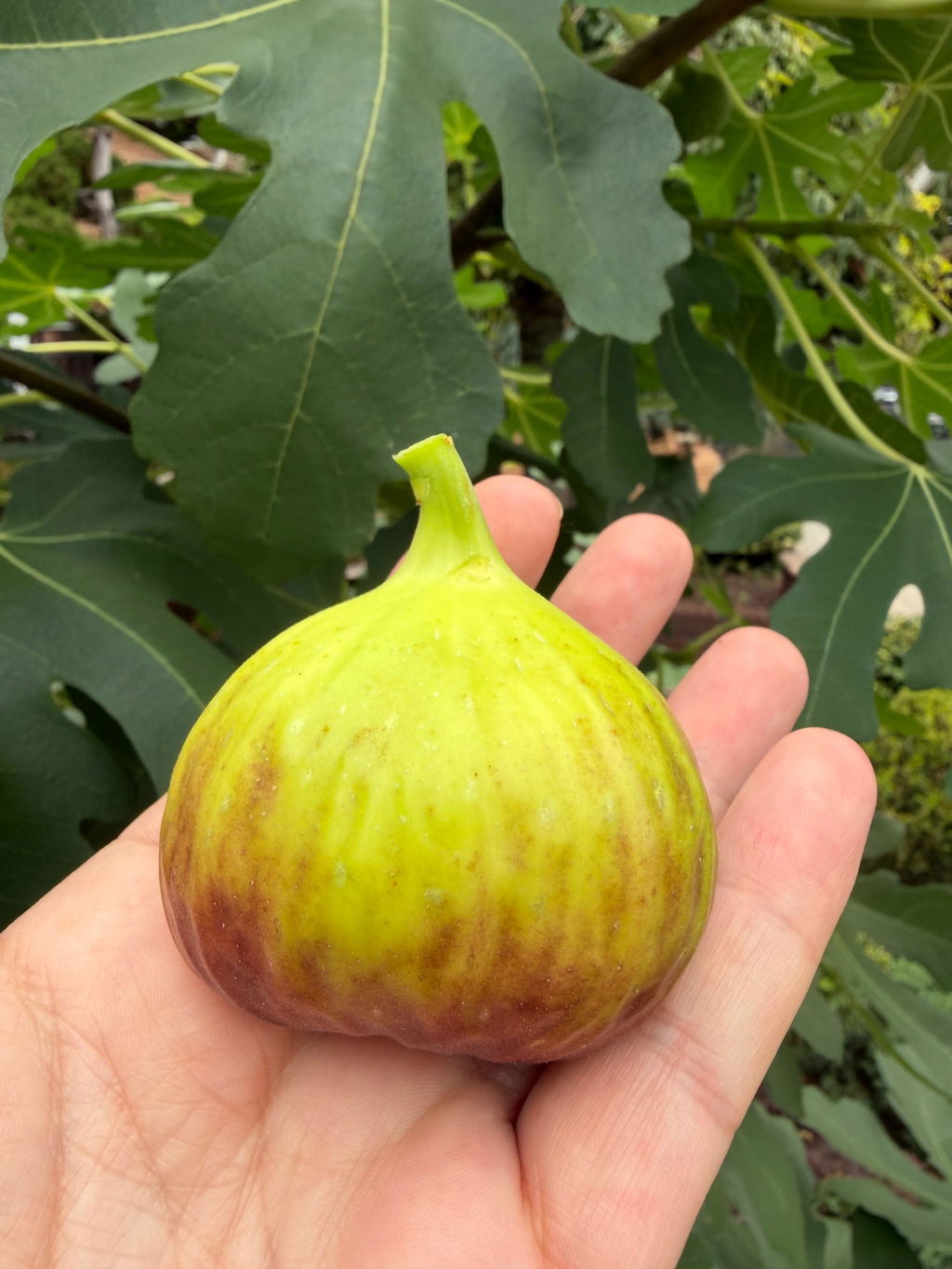
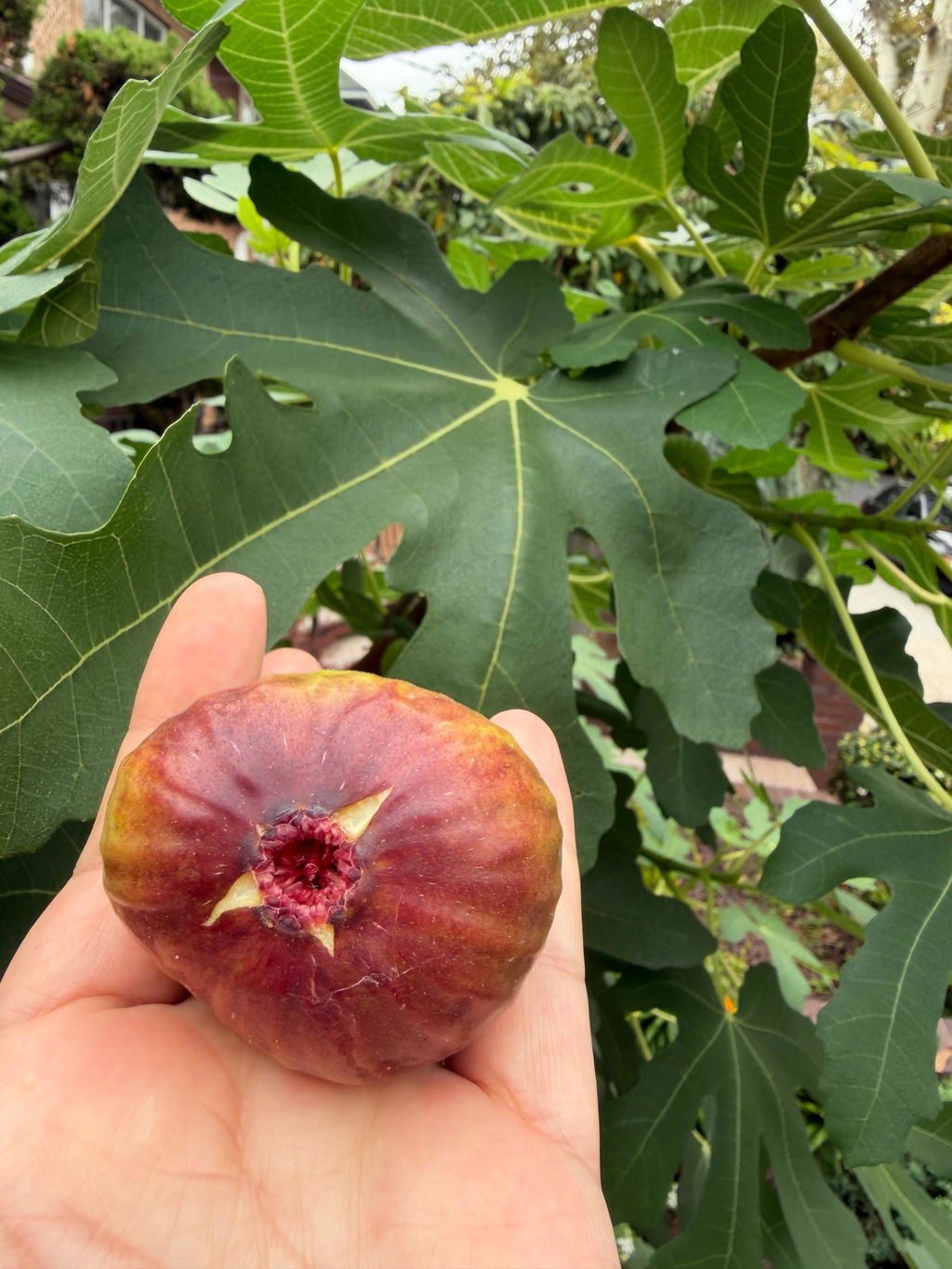
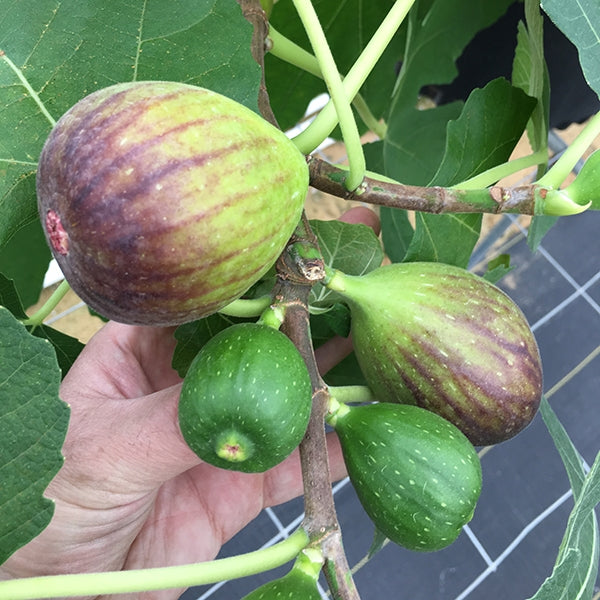
Comments: Edible figs are easy to grow, needing a bright, sunny exposure. They go into a dormancy in late fall, during which they will drop their leaves. At this time it is important to keep them cool with night temperatures down to freezing, to not break dormancy. Once they start to grow it is important to give them plenty of sunlight or the growth will be weak. You can grow them as year-round potted plants as long as there is enough light. The fruit forms at the leaf axil along the new growth of spring ripening in late summer. As fall approaches, plants with unripe fruit need to be moved into a warm, sunny spot or the fruit will not mature. Important: For figs outside, place in a sunny location and in Zone 6, give them protection from the prevailing winds. You also need a spot; if possible, that is warmed by the southern sun to help ripen the fruit in late summer. In the fall, after the leaves have fallen and the plant is dormant, mulch with hay or straw. About a foot or more of mulch (the colder the winters, the more you need) can be placed over and around the plant. In the spring, remove the mulch. The trunk of the plant should be alive which will re-sprout. In older plants, the growth that comes up from the base will fruit that summer.
*Please note: only Ficus carica varieties are edible. All parts of other varieties are poisonous.