
Handwritten Greeting Card with your order - Meyer Lemon

2.5" Pot Size
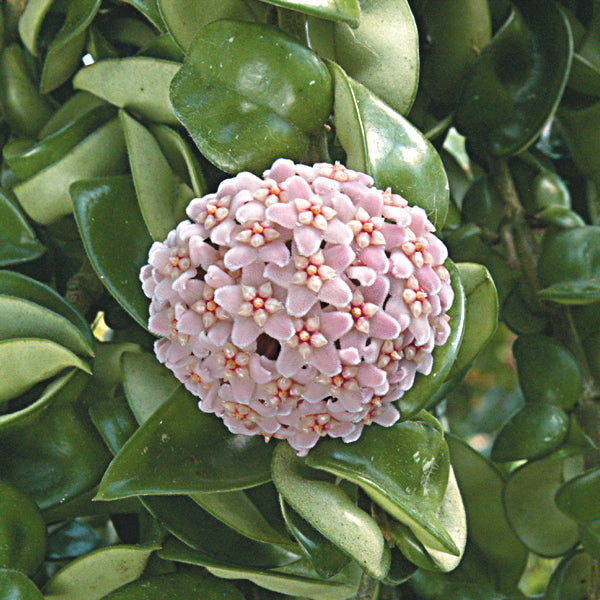
Hindu Rope Plant ‘Crispa’ brings a unique vitality to a home's interior. This hoya's structure is unusual, with weeping stems which are covered by tightly-held convoluted leaves that resemble a rope. Hoya carnosa 'Crispa', unlike many hoyas, doesn’t climb. In time, however, the heavy stems will droop over the edge of the container, making it ideal for hanging baskets. Clusters of small waxy pink flowers emerge among the tightly-held leaves.
✅60-Day Guarantee - Rest Easy, your plant is protected!
Learn more about our guarantee.
🪴Ready to Grow - This is a healthy starter plant, full of life!
📦Quality Plants Grown by Experts. Packaged with Care.
50
Tips for Success
(HOY-a)
Light: Partial sun, an eastern or western exposure. They will grow in a northern window; however, they do benefit from a little direct sunlight.
Temperature: Maintain indoor temperatures above 60°. They are quite varied in their natural habitat; those that come from high elevation do well with cooler nights. If a variety doesn’t flower, even under good, quality light, try growing it a little cooler at night.
Humidity: They will tolerate low levels with no harm.
Watering: Bring soil to a state of visual dryness between watering. When watering, thoroughly saturate the soil until a little water trickles out of the bottom of the pot. Growing in a clay pot will help maintain a healthy root system. Many grow epiphytically and prefer a drier root environment.
Fertilizer: They are light feeders so ¼ tsp of fertilizer per gallon of water once a month. Use a balanced fertilizer like a 15-15-15 or a blooming fertilizer like a 7-9-5. When growth stops in winter, discontinue feeding.
Pruning: Prune anytime growth is excessive or after the flowering cycle is complete. They bloom on the new growth so hard pruning will slow down flowering. Some varieties will flower off old flower spurs so leaving them on when pruning will increase future blooms.
Insects and Disease: Hoyas are highly susceptible to mealy bug. Hoya lanceolata bella is susceptible to spider mite. Under damp soil conditions, they can have problems with root diseases. Growing them dry eliminates the problem.
Comments: Hoyas are great indoor plants that thrive under lower light and dry conditions. Flower initiation is induced by environmental factors such as day length, light intensity, or cool night temperatures, depending on variety. Hoya odorata flowers on the shortening day length of fall. Hoya lanceolata is a summer bloomer that responds to the long day. Hoya lauterbachii needs higher light levels to bloom and at least 6 feet of vining growth. If a variety doesn’t flower, try increasing the light or grow cooler during the winter.
Videos
Other Resources
My hoya is doing great and was packaged very well. Can't wait for more growth!
Thank you so much, Debbie, for sharing your wonderful experience with your Hindu Rope Plant Crispa! We're thrilled to hear your hoya is thriving and that it arrived in perfect condition—our careful packaging is something we take great pride in. We can't wait to see your plant flourish and fill your space with its beautiful, textured foliage. Happy growing!
The Logee's Team
Include a custom handwritten card with your order

Add your personalized message
i
Your card will be handwritten by a real person and included with your shipment. Messages will be copied exactly as typed above.
Our team lovingly handwrites each card, and we kindly reserve the right to refuse messages that are hateful or inappropriate.
[message]
[title]
[message][subMessage]
Love it? Add to your wishlist
Your favorites, all in one place. Shop quickly and easily with the wishlist feature!